
Water Damage Flooring Restoration
Breadcrumbs
These links will help you get back to where you want to go faster.
Understanding Water Flooring Restoration
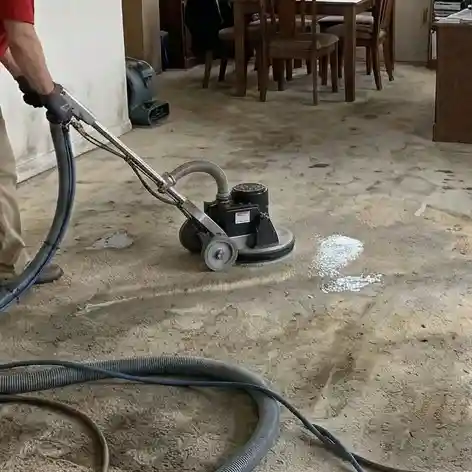
Water damage flooring restoration is a systematic process aimed at repairing and restoring flooring materials that have been compromised due to exposure to water. The procedure typically involves several key steps:
1. Assessment and Inspection: Professionals evaluate water damage, flooring type, and water category (clean, gray, black) to determine restoration methods.
2. Water Extraction: Quick removal of standing water using industrial extractors prevents further damage and microbial growth.
3. Drying and Dehumidification: After extraction, air movers, dehumidifiers, and ventilation reduce moisture in flooring and subfloors to prevent mold and structural damage.
4. Cleaning may involve using specific agents and antimicrobial treatments to eliminate pathogens.
5. Restoration includes minor repairs like sanding or complete replacement of damaged flooring, per industry standards.
Best Water Damage Floor Restoration Service Phoenix AZ
Call us at 480-696-0966

Water damage to flooring demands immediate attention, as the initial 24 to 48 hours are critical in determining whether floors can be restored or require replacement. At Momentum Carpet & Floor Care LLC, we specialize in prompt, thorough water damage flooring restoration services throughout Phoenix, Arizona. Our expert team conducts detailed assessments to evaluate the extent of damage and identifies which flooring materials can be dried, cleaned, repaired, or must be replaced.
Water doesn’t just affect the visible surface of your floors; it penetrates deep into carpet padding, wooden subfloors, and the spaces beneath. Moisture trapped beneath the surface creates an ideal environment for mold growth within 48 hours and causes structural damage like plywood delamination and floor buckling. The nature of the water source also critically influences restoration decisions—clean water leaks can often be managed effectively, while floodwater, sewage, or stagnant water require more stringent handling due to contamination risks.
Impact of Water Damage on Different Flooring Types
Each flooring material reacts uniquely to water exposure, necessitating customized restoration approaches to mitigate permanent damage. Understanding these responses helps property owners and professionals make informed decisions about repair versus replacement.
Carpet and Padding
Carpet fibers absorb water rapidly, transferring moisture to the backing and padding, where it can remain trapped for days. Contaminated water exposure or delays beyond 24 hours typically mean the carpet and padding must be discarded to prevent health hazards such as mold and odor. Clean water damage may be salvageable through professional extraction and drying, but foam padding almost always requires replacement since it cannot be effectively sanitized or dried.
Hardwood Flooring
Wood floors suffer from cupping, crowning, cracking, and buckling when moisture infiltrates the wood grain. Restoration demands gradual drying to prevent further cracking. Severely warped or lifted boards often cannot be fully restored and may require section replacement. Momentum Carpet & Floor Care employs moisture mapping and controlled tent drying to ensure optimal drying before refinishing or repair.
Schedule Your Cleaning Appointment
Our Cleaning Services
Ceramic, Porcelain, Marble, and Natural Stone Tiles
Though tile itself is generally water-resistant, moisture can leak under tiles and grout, weakening adhesives and encouraging mold in grout lines and on subfloors. Porous materials like marble and natural stone absorb water and stains, making gentle, specialized cleaning essential to avoid surface etching. Subfloor drying and potential grout replacement are critical to preventing long-term structural issues.
Laminate Flooring
Laminate flooring cores swell and edges separate when exposed to moisture. Due to its construction, laminate typically cannot be restored after water infiltration and is commonly replaced. Subfloor drying and sanitization remain crucial to prevent lingering damage and mold growth.
Luxury Vinyl Plank and Tile
Moisture can penetrate beneath vinyl planks, affecting adhesives and subfloor integrity. While planks themselves are sometimes salvageable if undamaged, warped or swollen pieces usually require replacement. Subfloor drying followed by careful reinstallation ensures long-lasting results.
Our Comprehensive Water Damage Restoration Process
Restoration begins with a detailed assessment of the water source, contamination level, exposure duration, and the extent of water intrusion. We remove standing water and any irreparably damaged materials, such as soaked carpet padding or delaminated plywood. Controlled drying follows, with attention to air circulation beneath flooring layers—this may require removal of vapor barriers or other moisture-trapping components.
Throughout the process, we document moisture levels and take photographs to support insurance claims and confirm dryness before proceeding. Only after verification do we advance to cleaning, repairs, refinishing, or new flooring installation, ensuring the highest quality restoration with minimal risk of future problems.
Restoration Techniques Tailored to Flooring Materials
| Method | Best Suited For | Purpose |
|---|---|---|
| Water Extraction and Hot-Water Cleaning | Carpet exposed to clean water | Removes moisture and contaminants from carpet fibers before drying, with hot-water extraction providing deep cleaning. |
| Controlled Drying | Hardwood, subfloors, salvageable carpet | Gradually removes moisture to prevent cracking, warping, and mold growth. |
| Subfloor Repair | Delaminated or buckled plywood subfloors | Removes damaged sections and installs new plywood to restore structural integrity. |
| Mold-Prevention Cleaning | Tile, grout, sealed hardwood, baseboards | Applies targeted cleaning solutions to eradicate surface mildew before it spreads. |
| Odor Reduction | Carpet and padding with musty odors post-drying | Utilizes deodorizing treatments and thorough vacuuming to eliminate residual smells. |
| Replacement | Contaminated carpet, foam padding, laminate, severely warped boards | Removal and disposal of unsalvageable materials to ensure health and safety. |
Key Decisions for Carpet Restoration After Water Damage
Carpets often prompt debate after flooding due to health and restoration challenges. Contaminated floodwater, sewage infiltration, or prolonged water exposure exceeding 24 hours typically warrants carpet and padding replacement. Foam padding is never reused due to its inability to dry or be cleaned thoroughly. Persistent moisture fosters mold and unpleasant odors that can pose serious health concerns. Additionally, most modern carpets are nylon-based, meaning bleach is harmful; cleaning must rely on fiber-appropriate products and professional expertise.
Hazardous Materials and Safe Handling
Water damage from floods or sewage introduces contaminants, including bacteria, chemicals, and pathogens. Cleanup requires rigorous use of personal protective equipment, containment protocols, and sometimes specialized remediation for mold infestations exceeding small surface areas. Momentum’s team thoroughly evaluates safety risks and advises on involving certified specialists when hazardous materials or complex mold conditions are present.
Addressing Subfloor and Underlayment Damage
Water damage often hides beneath seemingly intact flooring surfaces, affecting subfloors and underlayment. Plywood subfloors can swell, delaminate, or separate, while underlayment may trap moisture for weeks. Successfully restoring floors means fully drying, repairing, or replacing subfloors to prevent future buckling, adhesive failures, or mold outbreaks. Skipping this critical step risks recurrent damage within months.
Special Considerations for Commercial Water Damage Flooring Restoration
Commercial properties such as offices, retail spaces, and multi-unit buildings face unique challenges with water damage. Beyond the flooring itself, odors and buckling affect occupants’ comfort and business operations. Momentum Carpet & Floor Care designs phased restoration plans that prioritize drying and repairs while minimizing downtime. Efficient scheduling and professional handling ensure the business remains operational wherever possible during remediation.
Restore or Replace: Making Informed Decisions
Choosing between restoration and replacement depends largely on promptness and the flooring’s structural condition. Floors that are dried rapidly before significant swelling or warping occur tend to be restored more economically. Conversely, materials that have swollen, warped, delaminated, or absorbed contaminated water often require full replacement. Our experts provide transparent cost and timeline analyses tailored to each flooring type to help you weigh options and make confident decisions.
Why Choose Momentum Carpet & Floor Care LLC?
Momentum Carpet & Floor Care LLC is committed to serving Phoenix homeowners, property managers, and business owners with dependable, expert flooring restoration solutions after water damage. Our rapid response protocols and evidence-based drying methods significantly reduce mold risks and preserve flooring where possible. With meticulous documentation and industry-grade equipment, we ensure a thorough and professional restoration process.
Water damage to floors represents both structural and health risks that require swift, expert intervention. Each flooring type—from carpet and hardwood to tile and luxury vinyl—responds differently to moisture, demanding customized restoration strategies. Momentum Carpet & Floor Care LLC combines deep industry knowledge, advanced drying technologies, and meticulous remediation protocols to protect your property’s flooring investment. Early action not only saves valuable materials but also curtails mold growth and secondary damage. Trust Momentum Carpet & Floor Care to deliver comprehensive, high-quality water damage flooring restoration tailored specifically to Phoenix’s unique environmental conditions.