
24-7 Emergency Floor Restoration
Breadcrumbs
These links will help you get back to where you want to go faster.
Understanding the Different 24-7 Emergency Flooring Restoration Services
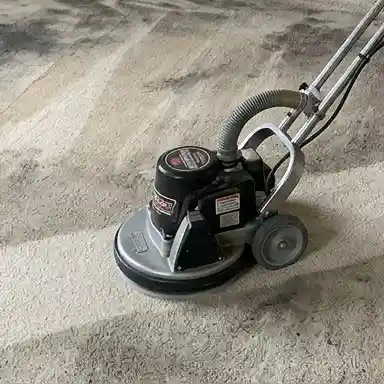
Fire & Smoke Damage
Fire and smoke damage flooring restoration involves assessing, cleaning, and repairing flooring affected by fire, smoke, soot, and toxic residues to restore safety and appearance. Proper restoration prevents health risks, secondary damage, and structural issues, following guidelines from EPA and IICRC using specialized techniques and professionals.
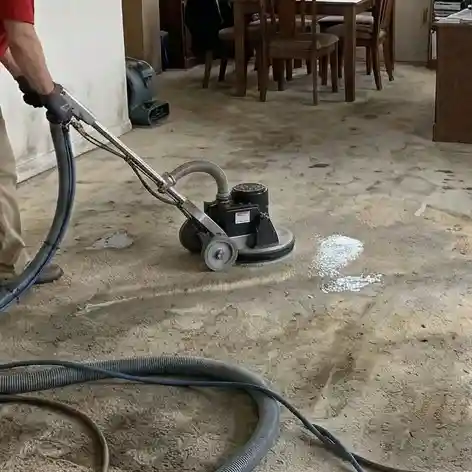
Water Damage
Water damage floor restoration repairs flooring compromised by water to prevent structural loss, mold growth, and material deterioration from flooding or leaks. The process includes water extraction, drying, cleaning, and repair or replacement to mitigate health risks and restore flooring function and appearance.
Best 24-7 Emergency Flooring Restoration Service Phoenix AZ
Call us at 480-696-0966

Fast and effective response is crucial when it comes to preserving floors after fire, smoke, or water damage. Every hour counts as moisture, soot, and heat progressively degrade materials, making timely intervention the difference between restoration and replacement. This comprehensive guide explores the critical timelines, damage types, and specialized restoration techniques for various flooring materials, with expert insights into emergency response methods tailored for both residential and commercial properties.
Floor damage intensifies the longer water or soot contacts your flooring. Water naturally seeks the lowest points, penetrating carpet pads, subfloors, and wood fibers, while smoke and soot embed themselves deep into surfaces, continuously releasing lingering odors and residues. Addressing damage within the first 24 to 48 hours dramatically improves restoration success rates, helping to avoid costly replacements and structural complications.
Fire and Smoke Damage Restoration
How Fire Damages Floors
Fire causes distinct, multifaceted damage to flooring materials through heat, flames, smoke, and soot. Heat can warp, crack, or char materials such as hardwood and laminate, while smoke and soot leave chemically aggressive residues that deeply penetrate surfaces. Different burned materials produce different residues—from dry ash to sticky plastic byproducts and greasy films—each requiring tailored cleaning approaches.
Challenges of Firefighting Water
Water used in firefighting operations often leads to secondary damage by soaking carpets, pads, and subfloors. This moisture can promote mold growth and damage floor substrates, adding complexity to fire damage restoration and necessitating integrated moisture management strategies.
The Restoration Process
Our methodical fire and smoke remediation begins with a detailed assessment of flooring type, residue composition, and moisture levels. Because some chemical cleaners risk discoloration, we carefully test remedies on small sections before full application. We remove loose soot, apply specialized cleaning techniques matched to the floor material, and deploy advanced odor control treatments. When floors are beyond repair, comprehensive documentation supports insurance claims and property recovery plans.
Schedule Your Cleaning Appointment
Our Cleaning Services
Water Damage Restoration
Understanding Moisture Absorption and Damage Progression
Effective water damage restoration hinges on precise moisture measurement and control. Hardwood, for example, absorbs water through board bottoms, leading to characteristic cupping and, in extreme cases, buckling. Drying is a controlled process involving daily moisture readings from wood, subfloors, and ambient air, with equipment adjusted until targeted dryness is achieved—meaning the floor is truly dry, not just visually dry.
Emergency Response Timeline and Its Impact on Floors
| Time Since Damage | Typical Floor Condition | Restoration Outlook |
|---|---|---|
| 0 to 24 hours | Surface water, early hardwood cupping, soot film on tiles | Excellent. Floors generally can be dried, cleaned, and preserved. |
| 24 to 48 hours | Moisture penetration into subfloor, moderate cupping, saturated carpet pad | Good. Professional drying typically succeeds with prompt action. |
| 48 to 72 hours | Significant cupping, early microbial growth on damp materials | Fair. Results depend on floor type, water contamination, and condition. |
| Beyond 72 hours | Buckling, delamination, persistent odor, mold growth | Poor. Replacement often necessary for severely affected areas. |
Damage Profiles by Flooring Type
| Flooring Type | Common Damage | Restoration Approach |
|---|---|---|
| Carpet | Saturated fibers, wet padding, subfloor moisture, odors | Thorough extraction, pad removal if necessary, drying, and sanitizing; severely soaked pads require replacement. |
| Solid Hardwood | Cupping, crowning, buckling, and staining | Controlled drying with close moisture monitoring, followed by evaluation for light sanding or refinishing. |
| Engineered Hardwood & Laminate | Swelling, delamination, and edge lifting | Drying when possible; swollen planks or seams often need replacement. |
| Ceramic, Porcelain, Tile & Grout | Grout moisture, staining, and subfloor damage | Water extraction, grout drying, deep cleaning, and subfloor inspection. |
| Natural Stone | Staining, efflorescence, etching | Delicate drying and use of poultices or specialty cleaners customized to stone type. |
| Luxury Vinyl | Edge lifting, trapped moisture, subfloor swelling | Good moisture tolerance but requires seam and subfloor inspection. |
| Commercial Flooring | Large affected areas, contamination, operational downtime | Phased restoration schedules to minimize disruption and thorough documentation for property managers. |
Dealing with Contaminated Water
Not all water damage is caused by clean water; many scenarios involve hazardous contaminants. Sewage backups, storm runoff, and floodwaters may carry harmful bacteria and pathogens, making full sanitization impossible on porous materials like carpet and padding. In such cases, removal and replacement are often necessary. Our restoration teams strictly adhere to contamination safety protocols, wearing protective gear and identifying materials that cannot be salvaged before starting recovery efforts.
Hidden Hazards in Older Buildings
Older properties frequently contain hazardous materials such as asbestos, lead-based paint, or mold that require professional testing and careful handling to prevent health risks during restoration. Additionally, fire or water damage may compromise subflooring, underlayment, and hidden wiring, all of which must be evaluated to ensure the integrity and safety of the flooring system before restoration is complete.
Specialized Restoration for Commercial Flooring
Commercial spaces present unique restoration challenges, often involving extensive flooring types and the need to minimize operational downtime. Offices, retail stores, restaurants, and multifamily buildings typically use carpet tiles, luxury vinyl plank (LVP), sealed concrete, and tile, each demanding tailored restoration protocols. We provide flexible scheduling, phase restoration by areas, and deliver thorough documentation crucial for property managers and insurance processes.
Comparing Fire & Smoke Damage Restoration by Flooring Material
| Flooring Material | Fire & Smoke Impact | Emergency Restoration Protocol |
|---|---|---|
| Carpet | Heavy soot absorption, airborne toxins, stubborn smoke odors | Rapid thermal deodorization, multi-stage extraction, and professional fire/smoke damage restoration. |
| Hardwood Floors | Thermal warping, charring, deep soot penetration into grain | Emergency soot removal, chemical neutralizers, and specialized restoration techniques. |
| Tile & Grout (Ceramic, Porcelain, Marble) | Discoloration, ash absorption, grout thermal cracking | High-pressure vapor extraction, alkaline washing, thorough cleaning and restoration. |
| Natural Stone (Granite, Travertine, Slate) | Acidic soot etching and discoloration of porous minerals | Specialized neutralizing washes, surface resurfacing, expert cleaning protocols. |
| Laminate & Luxury Vinyl | Core delamination, melting, adhesive breakdown | Subfloor inspection, emergency sanitization, and professional restoration. |
Comparing Water Damage Restoration by Flooring Material
| Flooring Material | Water Intrusion Impact | Emergency Drying & Restoration Protocol |
|---|---|---|
| Carpet | Complete saturation of fibers and padding, bacterial growth | Immediate extraction, antimicrobial treatments, thorough drying and sanitization. |
| Hardwood Floors | Rapid cupping, crowning, buckling | Moisture mapping, structural drying tents, precision monitoring. |
| Tile & Grout | Trapped moisture under grout, efflorescence, mortar weakening | Sub-surface water extraction, thermal air circulation, grout drying. |
| Natural Stone | Mineral staining, salt migration, surface erosion | Deep extraction techniques, pH-balanced sanitization, expert restoration. |
| Laminate & Luxury Vinyl | Edge swelling, core warping, trapped subfloor moisture | Rapid plank lifting, subfloor sanitization, moisture mitigation. |
About Momentum Carpet & Floor Care, LLC
At Momentum Carpet & Floor Care, LLC, we understand that disaster strikes at any hour, and swift action is vital. Serving Phoenix, Arizona, our expert team offers reliable 24/7 emergency floor restoration for both residential and commercial properties. From water damage caused by burst pipes to the aftermath of fires and smoke exposure, our technicians deliver prompt, professional services tailored to every flooring type—from carpet and hardwood to tile, natural stone, laminate, and luxury vinyl.
Our comprehensive approach combines deep knowledge of materials, state-of-the-art drying and cleaning technology, and meticulous restoration processes designed to mitigate structural damage and extend floor life. In every project, we prioritize minimizing disruption, providing transparent communication, and producing detailed documentation to streamline insurance claims and property management.
Protect Your Floors with Expert Emergency Restoration
Preserving your floors after fire, smoke, or water damage requires a blend of speed, specialized knowledge, and precise techniques. Timely response within the critical first 48 hours often determines whether floors are saved or lost. By understanding the unique vulnerabilities of each flooring material and applying targeted restoration protocols, professionals can effectively mitigate damage, control odors, and safeguard your investment. Whether you face a residential flood or a complex commercial fire cleanup, partnering with an experienced restoration provider like Momentum Carpet & Floor Care, LLC assures expert care every step of the way.
Don’t wait until damage becomes irreversible—contact expert floor restoration specialists promptly to preserve your floors and protect your property.