
Breadcrumbs
These links will help you get back to where you want to go faster.
The Truth About High-pH Alkaline Carpet Cleaning: Why Professional Methods Outperform Gimmicks
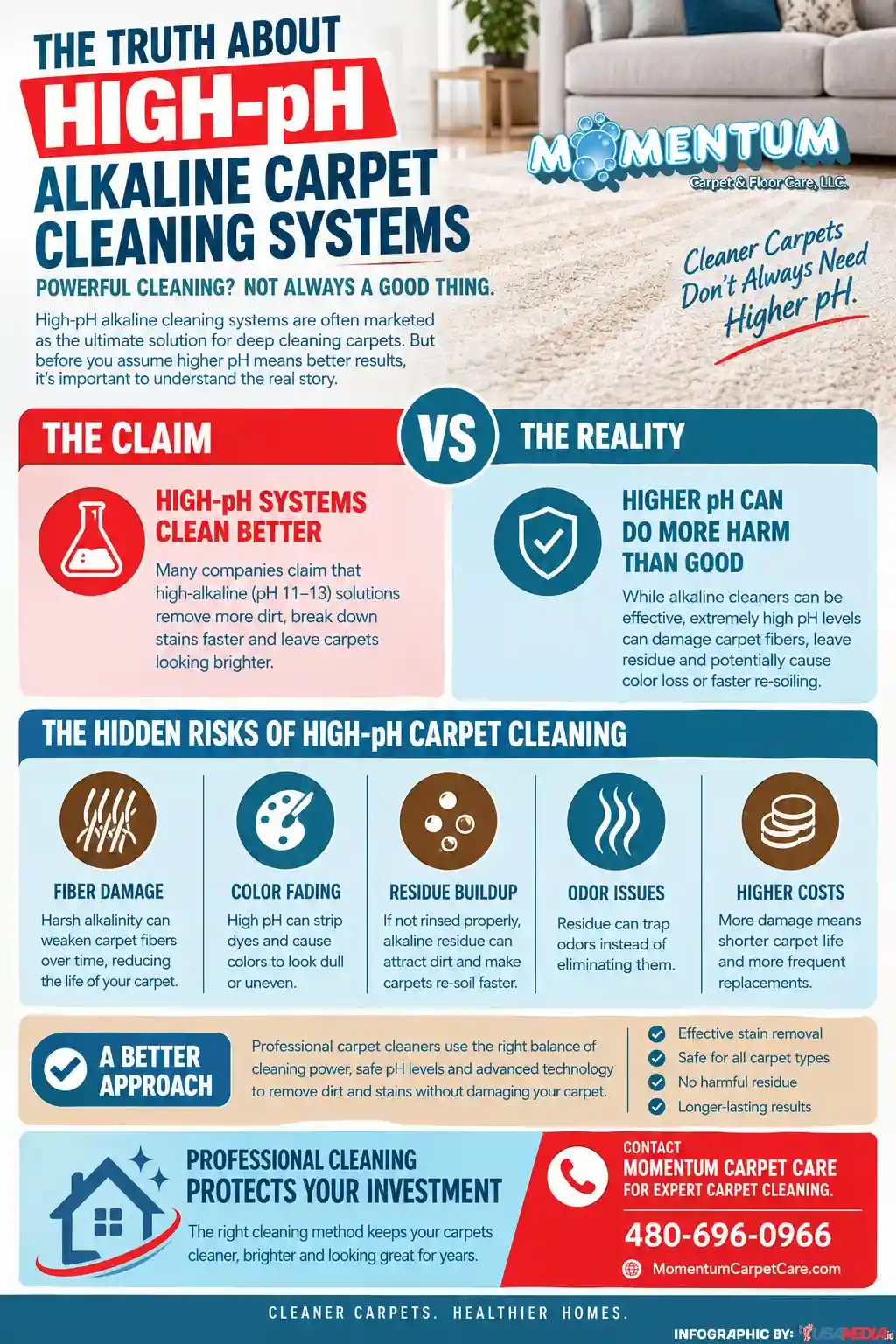
Carpet cleaning is a critical investment for maintaining the beauty and longevity of your flooring, yet homeowners and businesses often face confusing choices. In Phoenix and many other regions, a growing number of companies promote high-pH alkaline water systems—purported “chemical-free” or “eco-friendly” solutions using electrolyzed water—claiming they outperform traditional methods. But beneath these marketing claims lies a complex reality backed by scientific evidence, carpet manufacturer guidelines, and professional industry standards.
This comprehensive guide breaks down what high-pH alkaline water really is, the risks it poses to your carpets, and why conventional professional systems like truck-mounted hot water extraction combined with advanced rotary extraction and enzymatic chemistry deliver superior, longer-lasting results. Whether you’re a homeowner or facility manager, understanding these distinctions will help you protect your flooring investment and avoid costly mistakes.
What you will learn in this article:
– High-pH alkaline water systems (pH 10-14) are marketed as “chemical-free” carpet cleaning solutions that use electrolyzed water to break down oils and proteins via saponification.
– These systems work best on oily and greasy soils but carry significant risks including damage to natural fibers (wool, silk, cotton, popular in area rugs and some carpets), color fading, and residue buildup if not properly rinsed.
– High alkalinity can cause fiber brittleness, shrinkage, discoloration, and a crunchy carpet texture. Residual alkaline salts attract dirt, speeding re-soiling and reducing cleaning effectiveness over time.
– Many manufacturers and industry standards recommend keeping cleaning solutions at pH 10 or lower to avoid voiding warranties and damaging carpets and re-soiling.
– Sodium hydroxide (caustic soda or lye), the active chemical in alkaline water systems, is caustic and can irritate skin and eyes; residues may also degrade indoor air quality.

– High-pH alkaline systems are limited in removing salt-based stains, set-in protein stains, particulate soils, and do not deodorize effectively.
– Industry testing shows high-pH alkaline water leaves as much or more residue than detergents used in professional hot water extraction cleaning.
– The powerful need for professional tech like a Truck-mounted Prochem Everest 870 in combination with Rotovac and enzyme hot water extraction is the industry gold standard, approved by carpet manufacturers, using high temperature (150–200°F), powerful vacuum, adjustable pressure, and chemical flexibility for deep cleaning.
The Core Comparison of Alkaline High-pH Solution: What You Need to Know
| Cleaning Method | How It Works | Best For | Primary Limitation |
|---|---|---|---|
| High-pH Alkaline Water (10-14) | Electrolyzed water uses sodium hydroxide at elevated pH levels to break down oils and proteins; marketed as chemical-free | Oil-based, greasy soils; some commercial settings | Can damage natural fibers; leaves residue; requires subsequent rinsing |
| Truck Mount Hot Water Extraction | High-temperature water (150-200°F) combined with chemical solution and powerful vacuum; removes soil from deep within pile | All carpet types; deep cleaning of heavily soiled residential/commercial carpet | Higher upfront equipment cost; requires professional installation |
| Rotovac Rotary Extraction | Motorized rotating head (250 RPM) with multiple spray jets and vacuum slots makes 1,500+ cleaning passes per minute | Heavily soiled carpet; traffic lanes; restoration work | Must pair with truck mount or portable extractor |
| Enzymatic Solutions | Biological enzymes break down organic stains (proteins, fats, oils) at the molecular level; used as pre-treatment or post-treatment | Pet stains, food spills, body oils, blood, organic odors | Works best with dwell time (5-10 minutes); not effective on salt-based stains |
Understanding High-pH Alkaline Water in Carpet Cleaning
What Is High-pH Alkaline Water?
High-pH alkaline water used in carpet cleaning is electrolyzed water with a pH range typically between 10 and 14, generated by running electricity through saltwater. This process creates sodium hydroxide (NaOH), a highly alkaline and caustic substance, at concentrations usually between 240 and 300 parts per million (ppm).
Proponents market it as a “chemical-free” alternative because it doesn’t use traditional surfactants or detergents, relying instead on the alkalinity to break down oils and proteins through saponification. This chemical reaction converts fats and oils into soap-like substances, allowing them to be suspended in water and extracted.
The Science Behind Alkalinity and Carpet Cleaning
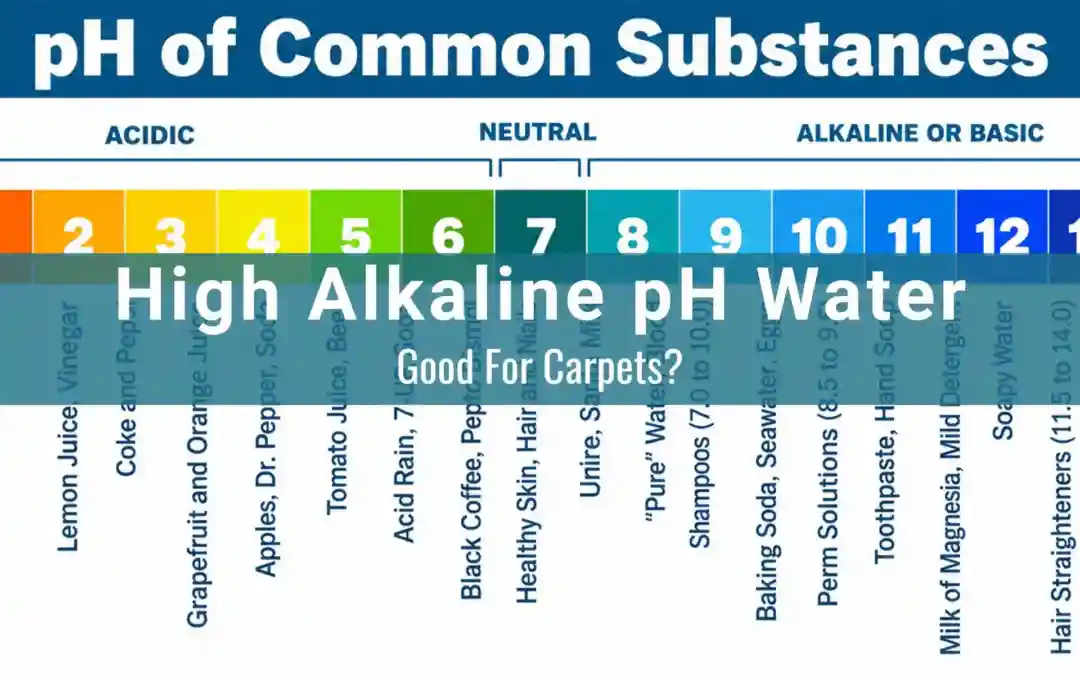
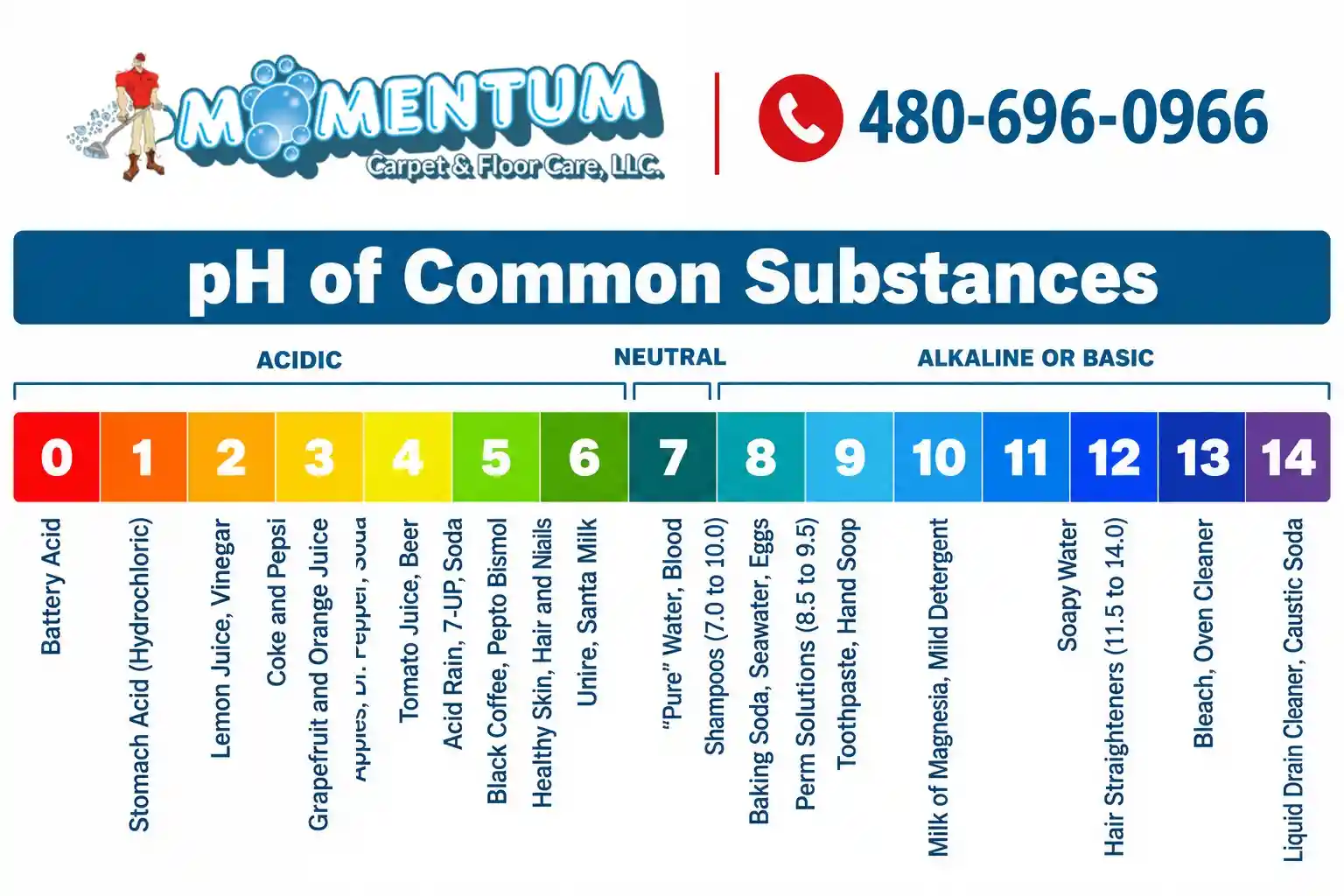
The pH scale, ranging from 0 to 14, measures acidity and alkalinity logarithmically. A pH of 9 is 100 times more alkaline than neutral water (pH 7), while a pH of 11 is 10,000 times more alkaline. High-pH water at levels of 10 or above is extremely alkaline and acts aggressively on organic compounds.
This high alkalinity explains why these systems can effectively remove greasy or oil-based soils, which are naturally acidic (pH 2-5), by breaking them down rapidly. However, the chemical aggressiveness also carries significant drawbacks when applied to carpets, especially natural fibers and dyed materials.
The Impact of High-pH Alkaline Water on Carpets
Potential Damage to Fibers and Colors
Industry standards, including those set by the Institute of Inspection, Cleaning and Restoration Certification (IICRC) and major carpet manufacturers like Shaw Industries, recommend cleaning solutions maintain a pH of 10 or lower. Exceeding this limit can void warranties and cause lasting damage.

Natural fibers such as wool, silk, cotton, and sisal are especially vulnerable to high-pH exposure. Alkaline solutions trigger “felting” in wool—fiber brittleness, shrinkage, and loss of luster. Similarly, carpets with multiple dyes or delicate pigments can suffer irreversible color fading or dye bleeding.
Jute-backed or cellulosic carpets risk “browning” spots that appear as permanent discoloration, even when the surface seems clean. Additionally, alkaline residue can stiffen fibers, leaving carpets feeling crunchy and uncomfortable rather than soft and plush.
The Myth of “No Residue” and Its Consequences
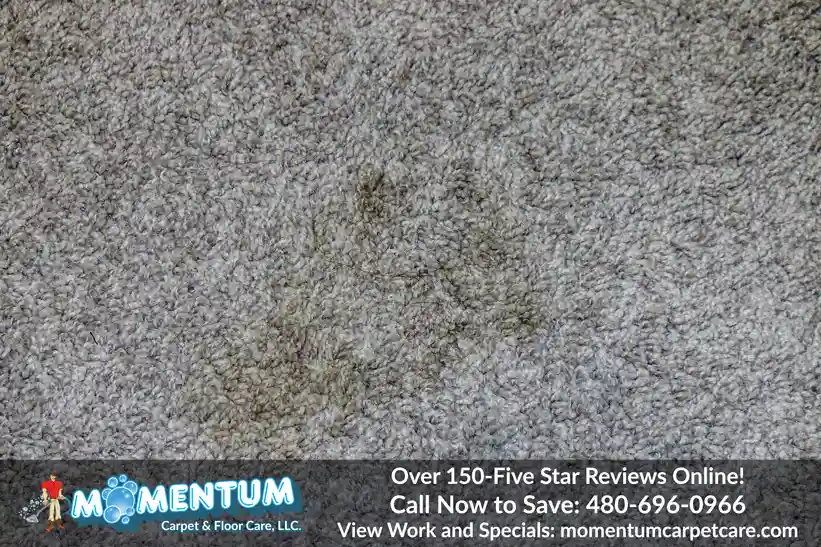
Contrary to popular marketing claims, high-pH alkaline systems do leave behind residue if not properly neutralized post-cleaning. Residual alkaline salts in the carpet fibers act like magnets for dirt, rapidly attracting soil and causing carpets to look dirty again within days or weeks.
Repeated use without appropriate acid rinsing shifts the carpet’s pH permanently upward, eventually reducing cleaning effectiveness and making fabrics harder to maintain. This creates a vicious cycle of buildup, poor appearance, and deteriorating fiber integrity.
Proper neutralization with acidic or neutral rinses is essential, but many high-pH cleaning services either skip this step or perform inadequate rinsing, increasing costs, water use, and risk to your carpet.
Safety and Warranty Risks of High-pH Alkaline Cleaning
Health and Chemical Hazards
Sodium hydroxide, the active agent in high-pH alkaline water, is a caustic chemical also found in drain cleaners and industrial degreasers. At the concentrations used in carpet cleaning (around 240-300 ppm at pH 11.5–12), the direct risk to humans is low when handled professionally, but exposure to strong alkaline residues can irritate skin, eyes, and feet, especially for children, pets, or bare skin.
Alkaline residues can also trap dust and allergens, potentially degrading indoor air quality over time. These factors, combined with the risk of premature carpet wear, make this cleaning method less desirable for residential use.
Voided Manufacturer Warranties
Perhaps the greatest risk is to your carpet investment itself. Most manufacturers explicitly void warranties if carpets are cleaned with products or methods that exceed pH 10.2, including many high-pH alkaline systems.
Damage caused by these methods—such as fiber degradation, dye loss, or backing deterioration—is often irreparable and costly, forcing early carpet replacement with no reimbursement. Many high-pH alkaline cleaning companies lack the insurance or liability coverage to compensate for such damage, leaving consumers vulnerable.
The Effectiveness of High-pH Alkaline Water: What It Does and Doesn’t Do
Where It Excels
High-pH alkaline water effectively saponifies and removes greasy, oily soils and certain biological residues such as natural fats, proteins, and body oils. This explains its use in specific industrial and food-processing applications.
Its Limitations in Carpet Cleaning
However, high-pH alkaline water falls short in many real-world carpet cleaning scenarios. It cannot adequately remove salt-based stains like mineral deposits or hard water residue, which require acidic chemistry for dissolution.
Set-in protein stains such as blood or urine respond better to enzymatic cleaners, which digest organic molecules at a molecular level. Likewise, particulate soils like dirt and sand demand mechanical agitation and thorough extraction, which alkaline water alone does not provide sufficiently.
High-pH alkaline water cleaning lacks the heat, pressure, and agitation of hot water extraction systems, limiting deep-pile soil removal and failing to address odor elimination effectively. Alkalinity alone does not neutralize odor-causing bacterial compounds, reducing overall deodorization.
Dispelling the “No Residue” Marketing Myth
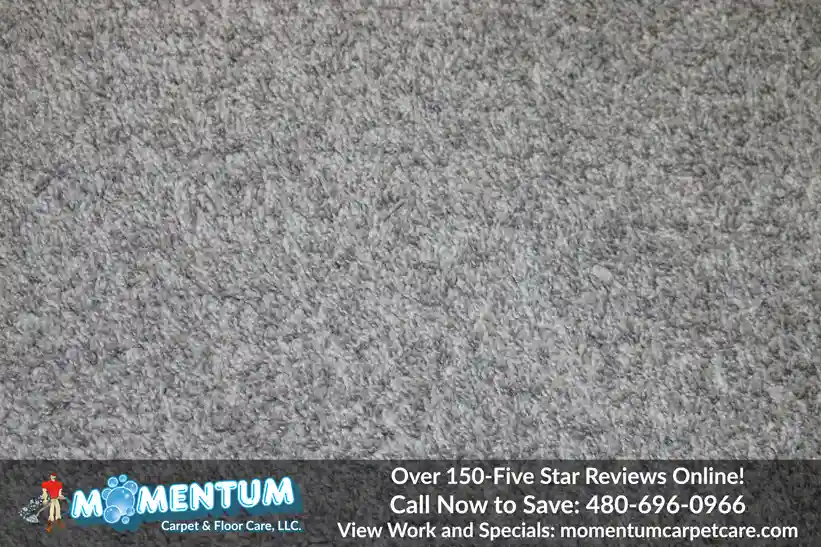
Independent industry testing, including research by HydraMaster, a leading carpet cleaning chemical manufacturer, confirms that high-pH alkaline water leaves similar or more residue than properly formulated detergents used in hot water extraction. Well-executed hot water extraction with alkaline pre-sprays followed by acid rinses consistently outperforms alkaline water systems, delivering cleaner carpets with less residual buildup.
Why Professional Carpet Cleaners Prefer Truck Mount Hot Water Extraction
Industry-Recommended Deep Cleaning
Nearly all reputable carpet manufacturers, including Shaw Industries, endorse truck-mounted hot water extraction as the gold standard for deep carpet cleaning. This method employs water heated to 150–200°F, combined with cleaning chemicals and powerful vacuum extraction, to penetrate and remove soil from deep within carpet fibers.
Key Advantages of Truck Mount Systems
- Superior heat activation: High temperatures enhance cleaning chemistry effectiveness, breaking down soils more thoroughly than room-temperature methods.
- Powerful vacuum extraction: Truck mounts generate more than 500 cubic feet per minute (CFM) of suction, extracting over 90% of moisture and leaving carpets drier (often 40% moisture content or less), which accelerates drying and minimizes mold risk.
- Adjustable pressure control: Technicians can tailor cleaning pressure (400–1000+ PSI) to carpet type, protecting delicate fibers while ensuring effective agitation.
- Deep cleaning capability: Recognized by the IICRC as the only genuine “deep cleaning” method, truck mount hot water extraction removes embedded soils, allergens, and contaminants.
- Chemical flexibility: Supports alkaline pre-treatment, neutral cleaning, and acid rinsing within one process, optimized for specific carpet fibers and soils.
Properly applied, truck-mounted hot water extraction leaves carpets cleaner, drier, and more vibrant while meeting manufacturer pH and residue guidelines to protect your warranty.
The Rotovac Rotary Extraction Advantage
What Makes Rotovac Stand Out
The Rotovac 360i rotary extraction system revolutionizes carpet cleaning agitation through motorized, multi-directional rotating heads that spin at approximately 250 RPM. Rather than relying on traditional back-and-forth wand scrubbing with limited passes (~60 per minute), Rotovac makes over 1,500 cleaning passes per minute, ensuring consistent and thorough agitation.
Benefits Over Manual Wands
- Faster drying: Rotovac’s efficiency removes 20–30% more moisture than manual wands, reducing drying times to 4–8 hours compared to 12–24 hours or more.
- Consistent results: Motorized operation eliminates variability caused by manual technique or operator fatigue.
- Less physical strain: Operators exert minimal effort, increasing productivity and quality.
- Deeper cleaning: Ability to penetrate deeper into carpet piles, especially important in heavily trafficked areas or restoration projects.
A Complement to Truck Mount Hot Water Extraction
Rotovac systems connect seamlessly to truck mounts or portable extractors, serving as high-performance power heads that combine heat, pressure, and vacuum with superior agitation. This integrated approach delivers unparalleled soil removal, protects fiber integrity, and enhances customer satisfaction in both residential and commercial settings.
Targeted Stain and Odor Removal with Enzymatic Solutions
How Enzymes Improve Cleaning
Enzymatic cleaners use specific biological proteins to chemically digest organic stains and odors at the molecular level. Unlike surfactants that suspend soil or alkaline solutions that saponify fats, enzymes break down molecules such as proteins, starches, fats, and cellulose, making them easier to remove.
Common Enzyme Types and Their Targets
- Protease: Digests protein-based stains like blood, urine, and body oils.
- Amylase: Breaks down starches from food soils.
- Lipase: Targets fats and greasy residues.
- Cellulase: Removes plant-based stains and residues.
Practical Use and Limitations
Enzymatic cleaners excel at addressing pet stains, food soils, body oils, and malodors by breaking down bacterial waste molecules responsible for smells. They work best as pre-treatments or post-treatments with a required 5–10 minute dwell time to activate.
However, enzymes are not a substitute for deep cleaning methods like hot water extraction. Instead, they complement these systems to provide targeted stain and odor elimination that alkalinity or surfactants alone cannot achieve.
Real-World Cleaning Scenarios: Best Practices
Scenario 1: Heavily Soiled Commercial Carpet
The optimal solution combines truck mount hot water extraction, Rotovac rotary agitation, and high-quality alkaline detergents followed by acid rinses. This synergistic approach combines heat, powerful vacuum, multi-directional agitation, and chemistry tailored to remove heavy soils while protecting fiber integrity.
High-pH alkaline water alone is insufficient, lacking agitation and heat, and risks leaving damaging residue if not neutralized.
Scenario 2: Pet Urine Stains
A comprehensive treatment starts with enzymatic pre-treatment applied to break down uric acid crystals and bacterial odors, followed by truck mount hot water extraction to flush out residues. Optional enzymatic post-treatment controls lingering odors effectively.
High-pH alkaline water cannot chemically neutralize odor molecules or degrade uric acid, making it ineffective against pet urine problems.
Scenario 3: General Residential Cleaning (Light to Moderate Soiling)
Truck mount systems using balanced alkaline pre-sprays (pH 8–9.5) followed by acid rinses provide thorough cleaning while remaining safe for most carpets and within warranty guidelines. For enhanced soil and moisture removal, combining with Rotovac rotary extraction is beneficial.
High-pH alkaline water offers no advantage in these cases and often leads to rapid re-soiling and texture issues.
What Customers Are Saying: The Reality Behind High-pH Alkaline Claims
Online reviews and professional forums reveal consistent complaints from homeowners about high-pH alkaline systems. Common issues include carpets getting dirty again within days, stiff and crunchy textures, premature color fading, prolonged drying times, higher costs, and voided manufacturer warranties.
These experiences align with independent industry analyses. For example, a 2015 HydraMaster technical review debunked “magic water” claims, concluding that chemically untreated water—irrespective of ionization or ozonation—cannot effectively clean carpets without additional chemical or mechanical aid.
The Professional Standard: Why Momentum Carpet and Floor Care Uses Proven Methods
Momentum Carpet and Floor Care, LLC in Phoenix sets itself apart by rejecting hype in favor of scientifically validated technology and chemistry. Their approach centers on the Prochem Everest 870 truck mount system, Rotovac 360i rotary extraction, and biodegradable enzymatic cleaners.
The Prochem Everest 870 features a robust Kubota liquid-cooled engine paired with an industrial Eurus vacuum blower, providing exceptional heat and high-pressure extraction. This equipment thoroughly flushes contaminants from carpet fibers, ensuring a genuinely clean, residue-free result.
The Rotovac rotary system employs stainless steel heads to provide deep, multi-directional agitation far beyond what traditional wands offer, restoring carpet pile and improving soil extraction.
Safe organic enzymes complement mechanical cleaning by digesting tough organic soils and odors without the risks associated with caustic alkaline detergents.
By combining these elements, Momentum Carpet and Floor Care delivers superior cleaning outcomes, faster drying, fiber protection, warranty compliance, and lasting customer satisfaction.
Conclusion: Make Informed Carpet Cleaning Choices Based on Science and Experience
While high-pH alkaline water systems have niche industrial uses, their application in residential and commercial carpet cleaning is fraught with risks and limitations. They may remove certain oily soils but often cause fiber damage, rapid re-soiling, and voided warranties without delivering comprehensive cleaning.
In contrast, truck-mounted hot water extraction paired with advanced rotary agitation and enzymatic chemistry remains the industry-endorsed gold standard, trusted by carpet manufacturers and professional cleaners worldwide. This combination ensures deep, thorough soil removal, protects delicate fibers and colors, dries carpets faster, and leaves less residue.
When selecting a carpet cleaning service, prioritize experience, equipment quality, chemistry sophistication, and adherence to manufacturer guidelines rather than marketing buzzwords promising shortcuts or magic solutions. Protect your investment and enjoy cleaner, healthier carpets that last longer by choosing proven professional methods backed by science, craftsmanship, and integrity.