
Fire & Smoke Damage Flooring Restoration
Breadcrumbs
These links will help you get back to where you want to go faster.
Understanding Fire & Smoke Flooring Restoration
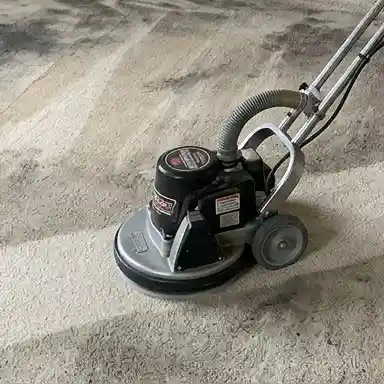
Fire and smoke flooring restoration is the process of cleaning, repairing, and restoring floors damaged by fire and smoke. It includes assessing damage, removing soot, deodorizing to remove odors, and repairing or replacing affected flooring parts.
Restoration varies by flooring type and damage severity. Porous materials like carpet often need replacement due to smoke absorption, while non-porous surfaces such as tile or sealed hardwood can usually be cleaned and treated to restore them.
Soot and smoke particles penetrate flooring, requiring specialized cleaning enzymes, strong fans, and other methods to remove odors and residues. Proper drying and dehumidification are essential to prevent mold after firefighting water use.
All restoration must follow industry standards like the IICRC S500 for safety and compliance. Fire and smoke flooring restoration involves assessment, cleaning, deodorizing, repair, or replacement to address damage and restore safe, usable flooring.
Best Fire & Smoke Floor Restoration Service Phoenix AZ
Call us at 480-696-0966

Experiencing fire damage in your home or business is a traumatic event, but the aftermath involving floors often creates ongoing challenges. Soot, smoke residue, heat, and water from firefighting efforts penetrate flooring materials and subfloors, sometimes far beyond the visible damage. In Phoenix, Arizona, Momentum Carpet & Floor Care LLC stands as a trusted expert in fire damage flooring restoration, delivering specialized care for carpets, hardwood, tile, natural stone, laminate, and luxury vinyl floors. This guide explores how fire affects different flooring types, the restoration process, and how to decide between restoration and replacement to protect your investment and restore your property’s safety and beauty.
Understanding Fire and Smoke Damage on Flooring
How Fire and Smoke Affect Various Flooring Types
Fire damage to floors manifests in three primary categories: heat damage, smoke contamination, and water damage. Heat damage can cause charring, warping, and discoloration. Smoke deposits leave soot and persistent odors, while firefighting water introduces moisture that risks swelling, mold, and structural deterioration. Each flooring material responds differently to these effects:
Deeper Impact of Smoke and Moisture
Smoke damage penetrates beyond the surface, embedding toxic residues and odors deep within flooring pores, grout lines, and even subfloors. Surface cleaning alone is often insufficient to eradicate lingering smells or health hazards. Additionally, moisture from firefighting efforts can become trapped beneath floors, fostering warping, buckling, and mold growth within days. Effective restoration demands thorough subfloor drying, moisture monitoring, and odor treatments, as overlooking these steps risks compromised structural integrity and long-term indoor air quality.
The Fire Damage Flooring Restoration Process
Initial Safety and Assessment
Restoration begins by ensuring the property is safe to enter and cleared by fire officials. Fire residue contains hazardous substances requiring professional protective equipment and containment measures. Momentum Carpet & Floor Care LLC conducts a comprehensive evaluation detailing the condition of each flooring type, depth of smoke penetration, subfloor moisture content, and structural soundness. Detailed documentation, including photos and moisture readings, supports insurance claims and guides restoration decisions.
Schedule Your Cleaning Appointment
Our Cleaning Services
Different Types of Fire & Smoke Damage Restoration
| Flooring Type | Common Fire and Smoke Effects | Typical Restoration Outlook |
|---|---|---|
| Carpet and Padding | Absorbs soot, odors, and contaminated water | Often removed and replaced; salvage possible if dry and undamaged |
| Hardwood Flooring | Soot stains finish and wood grain; water causes cupping | Can often be sanded, refinished, and deodorized unless severely charred or warped |
| Ceramic and Porcelain Tile | Surface soot, smoke films, grout staining | Tile generally cleaned successfully; grout may require deep cleaning or replacement |
| Marble and Natural Stone | Porous surfaces stained or etched by soot; heat causes cracks | Specialized cleaning, sealing, and replacement for damaged pieces |
| Laminate Flooring | Core swelling from water; blistering and delamination from heat | Usually replaced due to damage severity |
| Luxury Vinyl Plank and Tile | Heat deformation; smoke residue | Minor soot cleaned; warped planks replaced |
Customized Restoration Strategies
No single approach fits all flooring materials because each reacts uniquely to fire, smoke, and water damage. Restoration methods are tailored accordingly:
| Restoration Method | Best Suited For | Purpose |
|---|---|---|
| Soot Removal and Surface Cleaning | Tile, stone, sealed hardwood | Eliminates soot before it sets into surfaces or grout |
| Sanding and Refinishing | Solid hardwood with sound boards | Removes surface damage and restores finish and appearance |
| Stripping and Waxing | Vinyl, sealed tile, and hard surfaces | Removes residue and smoke film; restores shine and protective layers |
| Odor Treatment | Subfloors, porous materials, framing | Targets deep-seated smoke odors that cleaning cannot remove |
| Subfloor Drying and Repair | All flooring exposed to water | Prevents mold, warping, and adhesive failure prior to new flooring installation |
| Replacement | Warped, delaminated, or structurally compromised floors | Ensures a safe, level, and odor-free floor where restoration is impossible |
Comparing Flooring Materials: Fire and Smoke Impact vs. Restoration Approaches
Carpet and Padding
Carpets absorb heavy soot, toxic odors, and contaminated moisture, making restoration challenging. Effective fire damage restoration involves multi-stage hot water extraction combined with deep thermal deodorization to neutralize odors and contaminants. However, severely damaged carpet and padding are often beyond salvage and require replacement to prevent health risks and odors.
Hardwood Flooring
Hardwood shows visible charring or cupping from water and deeply entrenched smoke residues within the wood grain. Restoration techniques include sanding, refinishing, and chemical smoke neutralization applied by specialized fire damage experts. Boards with severe structural damage or warping typically must be replaced.
Tile, Grout, and Natural Stone
Ceramic, porcelain, marble, and other natural stone surfaces face staining, etching, and thermal cracking. Detailed alkaline cleaning, vapor steam extraction, and specialized sealers counteract smoke residues and protect the stone. Porous grout needs extra attention through deep cleaning or replacement if damaged. Natural stone requires expert resurfacing and neutralizing washes due to sensitivity to acidic soot.
Laminate and Luxury Vinyl
Heat and moisture damage compromise the adhesive layers, causing blistering, delamination, and warping. Restoration involves thorough subfloor inspections and sanitization, but often laminate and vinyl planks must be replaced when structural damage is evident.
Addressing Structural and Secondary Damage
Hidden Damage is as Critical as Surface Restoration
Fire impacts extend beyond visible flooring damage, affecting subfloors, underlayment, and the surrounding environment. The following factors require specialized remediation strategies:
| Damage Factor | Description & Structural Impact | Remediation Strategy |
|---|---|---|
| Heat and Smoke Damage | Fine soot deposits, acidic residues, and microscopic odor particles penetrate deep pores. | Use of hydroxyl generators, ozone treatment, and chemical washing for full deodorization. |
| Severe Water Intrusion | Large volumes of water saturate subfloors, risking mold and structural decay. | Industrial drying equipment, dehumidification, and mold prevention measures. |
| Subfloor Damage | Moisture weakens or swells wooden or concrete subfloors. | Assessment of structural integrity, targeted repairs, sanding, or sealing. |
| Flooring Underlayment | Contaminated padding and vapor barriers trap moisture and odors. | Complete removal and replacement to ensure healthy indoor environments. |
| Hazardous Materials | Toxic ash, chemical residues, and fire byproducts pose safety risks. | Professional containment, safe disposal, and PPE protocols during cleanup. |
Fire Damage Flooring Restoration for Commercial and Residential Properties
Fire damage disrupts daily life for homeowners and commercial operations alike. Businesses face pressure to reopen quickly while ensuring customer and tenant satisfaction. Floor odor or residual contamination can trigger complaints or health concerns. Momentum Carpet & Floor Care LLC collaborates closely with homeowners, property managers, and business owners to phase restoration work strategically alongside other necessary repairs, minimizing operational downtime and providing a safe, odor-free environment.
Choosing Between Restoration and Replacement
Deciding whether to restore or replace fire-damaged flooring depends on the extent of damage, structural integrity, and long-term health considerations. Restoration is typically more cost-effective initially but may risk recurring odors or incomplete decontamination. Replacement ensures full removal of damaged materials but comes with higher upfront expenses.
Expert assessment is essential — Momentum Carpet & Floor Care LLC carefully evaluates each case to explain tradeoffs and guide you toward a solution that balances durability, safety, and budget.
Why Momentum Carpet & Floor Care LLC is Your Trusted Fire Damage Floor Restoration Partner in Phoenix, AZ
With decades of experience and dedicated fire damage restoration certifications, Momentum Carpet & Floor Care LLC delivers responsive, professional flooring solutions across Phoenix and surrounding areas. Whether handling fire damage to carpets, hardwoods, tile, natural stone, or resilient flooring, their team employs the latest technology and industry best practices for thorough cleaning, deodorization, repairs, and refinishing.
From detailed assessments to insurance documentation support, they help property owners restore both aesthetics and structural safety quickly and confidently.
Need Professional Fire Damage Flooring Restoration in Phoenix Arizona?
Fire damage to flooring presents a complex challenge that goes beyond surface cleanup. Smoke particles, soot, heat deformation, and especially water intrusion often compromise both flooring and underlying structures. Effective restoration requires expert evaluation, customized cleaning methods, moisture control, odor neutralization, and sometimes replacement of unsalvageable materials.
Momentum Carpet & Floor Care LLC in Phoenix, Arizona combines technical expertise with attentive customer service to guide property owners through this difficult process. Their comprehensive fire damage flooring restoration services provide peace of mind, helping you reclaim a safe, clean, and beautiful floor after fire damage.