
Carpet Patching Repair Service
Breadcrumbs
These links will help you get back to where you want to go faster.
Understanding Carpet Patching
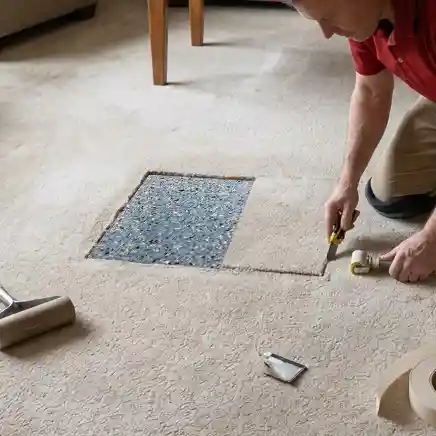
Carpet patch repair is a specialized method used to restore damaged areas of carpeting by replacing only the affected section rather than the entire carpet. This technique involves removing the damaged portion carefully and fitting a new piece, typically cut from leftover carpet material or an inconspicuous area, to match the existing carpet in texture, color, and pattern. The replacement patch is then adhered using appropriate adhesives or double-sided carpet tape to ensure stability and a seamless appearance.
The process requires precision to align pile direction and pattern for aesthetic continuity and often employs tools such as carpet knives, seam rollers, and adhesives suitable for the carpet type. Carpet patch repair is commonly utilized for localized issues such as burns, stains, pet damage, or tears and is considered a cost-effective alternative to full carpet replacement.
According to the Carpet and Rug Institute, optimal patching requires a quality match and proper installation to avoid visible seams. Research in the Journal of Interior Design also highlights that professional execution is essential to restore the carpet’s function and appearance.
Best Carpet Patching Service Phoenix AZ
Call us at 480-696-0966

When your carpet suffers from tears, burns, permanent stains, or water damage, replacing the entire room’s flooring isn’t always necessary. At Momentum Carpet & Floor Care, LLC., we specialize in professional carpet patching services in Phoenix, Arizona, that restore damaged areas to like-new condition while preserving your carpet’s look and integrity. Whether the issue results from pet damage, cigarette burns, bleach spots, fraying, or isolated mold damage, our expert technicians expertly replace only the affected sections with perfectly matched patches—saving you time, stress, and expense.
Carpet patching involves carefully removing a damaged section of carpet and replacing it with a matching piece, flawlessly integrated into the surrounding floor. This method addresses localized damage such as holes, burns, permanent discoloration, fraying edges, or isolated mold and water stains that cleaning or minor repairs cannot fix. The goal is to make the repair visually seamless and restore the floor’s structural integrity without the expense of replacing an entire carpeted area.
How Carpet Patching Differs from Other Carpet Repairs
Recognizing When You Need a Carpet Patch
Identifying signs of localized carpet damage helps you choose cost-effective restoration solutions. Look for holes, scorch marks, pet tears, frayed edges, stubborn stains or bleach spots that resist cleaning, and musty or discolored areas suggestive of mold. When damage is limited to a small area, patching is typically far more affordable and faster than full carpet replacement.
Not all carpet issues require patching; sometimes restretching or other repairs are more appropriate. For example, ripples, buckles, or bubbles usually happen due to loss of tension and are corrected by restretching the carpet to remove unevenness. On the other hand, physical damage where fibers or backing are compromised—such as cigarette burns, pet tears, chemical stains, or water damage—benefits most from patching. Understanding the nature of the damage is key to choosing the right restoration method.
Schedule Your Cleaning Appointment
Our Cleaning Services
Different Types of Carpet Patching
| Damage Type | Recommended Service | Reason |
|---|---|---|
| Hole or burn (cigarette, iron, dropped items) | Patching | Damaged fibers require replacement to restore surface uniformity. |
| Pet tear or snag pulling backing | Patching | Replace torn sections to maintain structural integrity. |
| Permanent stain or bleach spot | Patching | Cleaning cannot restore lost color; patching uses a matching carpet piece. |
| Fraying edges or seams | Patching | Trimming and replacing damaged edges restores a clean appearance. |
| Isolated mold or water damage | Patching after moisture source fixed | Damaged fibers are removed after resolving moisture issues to prevent recurrence. |
| Ripples, bubbles, buckles | Restretching | These issues stem from tension loss and need carpet restretching. |
The Carpet Patching Process: Expert Craftsmanship from Inspection to Finish
Initial Inspection and Damage Assessment
Each patch begins with a thorough inspection to evaluate the damage and gather essential details about the carpet. Our technicians assess the affected area’s size, examine the carpet’s pile height, style, fiber type, and identify the best location to source a matching patch piece—often from a hidden spot like a closet or existing remnants. We also confirm color and pattern compatibility to ensure inconspicuous results.
Precise Cutting, Seam Alignment, and Installation
We carefully extract the damaged section using natural seams or pattern lines whenever possible. This approach minimizes the visibility of the repair by following the carpet’s existing layout. Then, the replacement piece is cut to exact dimensions, aligned for consistent fiber direction and texture, and affixed with high-quality seam tape and adhesives designed for the carpet fiber type. The patch’s edges are meticulously blended to sit flush and match the surrounding pile perfectly.
Adapting Techniques to Carpet Types, Styles, and Fibers
Matching Carpet Pile and Style
Different carpets require tailored patching methods to preserve texture and appearance. Low pile carpets, such as those with short, dense fibers, demand precise trimming and seamless edge-gluing to avoid visible lines. Medium and high pile carpets require more complex blending to conceal seams beneath thicker yarns. Variations in pile style—cut, loop, or cut-loop—and specialty textures like Berber, shag, or frieze fibers each bring unique challenges in aligning patterns, securing fibers, and maintaining surface consistency.
| Carpet Type | Characteristics | Patching Focus |
|---|---|---|
| Low Pile | Short, dense fibers | Trim precisely; prevent visible seams on flat surfaces |
| Medium Pile | Standard residential height | Align pile direction carefully when inserting donor piece |
| High Pile | Longer, dense yarns | Blend deeply to conceal seams beneath thick fibers |
| Cut Carpet | Upright, straight fibers (plush) | Match grain for natural fiber lay |
| Loop Carpet | Continuous yarn loops | Match rows to prevent distortion and visible lines |
| Cut Loop | Mixed cut and loop yarns | Blend dual textures to preserve patterns |
| Berber | Thick looped fibers | Lock rows and heat-seal to prevent unraveling |
| Shag | Long, loose yarn strands | Fluff and manually integrate fibers over patch |
| Frieze | Tightly twisted yarns | Texture matching for seamless blending |
Fiber Type Considerations for Durable Repairs
Carpet fibers vary widely in composition and heat tolerance, requiring specialized care during patching. Natural fibers like wool need gentle handling and carefully controlled heat and adhesives to avoid damage. Synthetic fibers such as nylon, polyester, polypropylene, and triexta differ greatly: nylon bonds well with heat and adhesives, polyester requires temperature regulation to prevent melting, polypropylene’s low melting point demands precise control during hot-melt tape application, and triexta’s stain resistance calls for balanced adhesive techniques and accurate donor sizing.
| Fiber Type | Properties | Patching Notes |
|---|---|---|
| Wool | Natural, luxurious | Gentle thermal and adhesive care |
| Nylon | Durable synthetic | Excellent melt and adhesion qualities |
| Polyester | Soft, stain-resistant | Careful heat control prevents melting |
| Polypropylene | Moisture-resistant synthetic | Low melting point; precise hot-melt tape use |
| Triexta | Durable, stain-resistant polymer | Modern techniques for exact sizing and bonding |
Addressing Mold and Water Damage with Care
Patching may restore the appearance of carpets affected by mold or water damage, but it cannot address the root cause. Before repair, any moisture sources such as leaks, plumbing issues, or drainage problems must be resolved to prevent recurrence. Often, affected padding and subfloor materials require replacement along with the carpet patch. If mold coverage is extensive or there are health concerns, a professional mold assessment is strongly recommended prior to proceeding with patching.
Why Choose Momentum Carpet & Floor Care in Phoenix?
Momentum Carpet & Floor Care, LLC. stands out as Phoenix’s trusted expert for meticulous, reliable carpet patching services. Our experienced team understands the unique challenges that various carpet piles, styles, and fibers pose and applies industry-leading techniques to ensure flawless repairs. We combine thorough damage assessments, precise workmanship, and quality materials to make your flooring look as good as new. Accidents happen—whether from pet damage, burns, stains, or isolated water issues—but replacing an entire room’s carpet is rarely necessary with our expert patching.
Preserve Your Carpet’s Beauty and Value with Skilled Patching
Effective carpet patching blends technical expertise with an eye for detail to revitalize damaged flooring sections without the cost and disruption of full replacement. Momentum Carpet & Floor Care offers Phoenix residents professional solutions tailored to the myriad carpet types, styles, and fibers encountered in today’s homes. By addressing damage precisely and efficiently, we save you money, prevent waste, and extend the life of your flooring. When faced with tears, burns, stains, or isolated mold, trust our skilled technicians to restore your carpet seamlessly—bringing your floors back to their original splendor.